Built on the belief that awareness comes before change.

Fefoho began from a simple observation: most movement education tells people what to do. We wanted to explore what it looks like to help people understand why.

The thinking behind the program

The modern work environment asks a great deal from the human body. Prolonged sitting, repetitive upper-limb movements, sustained visual focus on screens. None of these are inherently harmful in isolation, but accumulated over years, they tend to create patterns of tension, restricted movement, and diminished body awareness.

Fefoho approaches this not as a problem to be fixed, but as a phenomenon to be understood. The program draws on principles from somatic education, applied biomechanics, and behavioral learning to offer a framework that individuals can use to observe and gradually influence their own movement habits.

We are not a fitness program. We don't prescribe corrective exercises or diagnose conditions. What we offer is education: a well-structured, accessible exploration of how the body works and how conscious attention can support more efficient, comfortable movement over time.
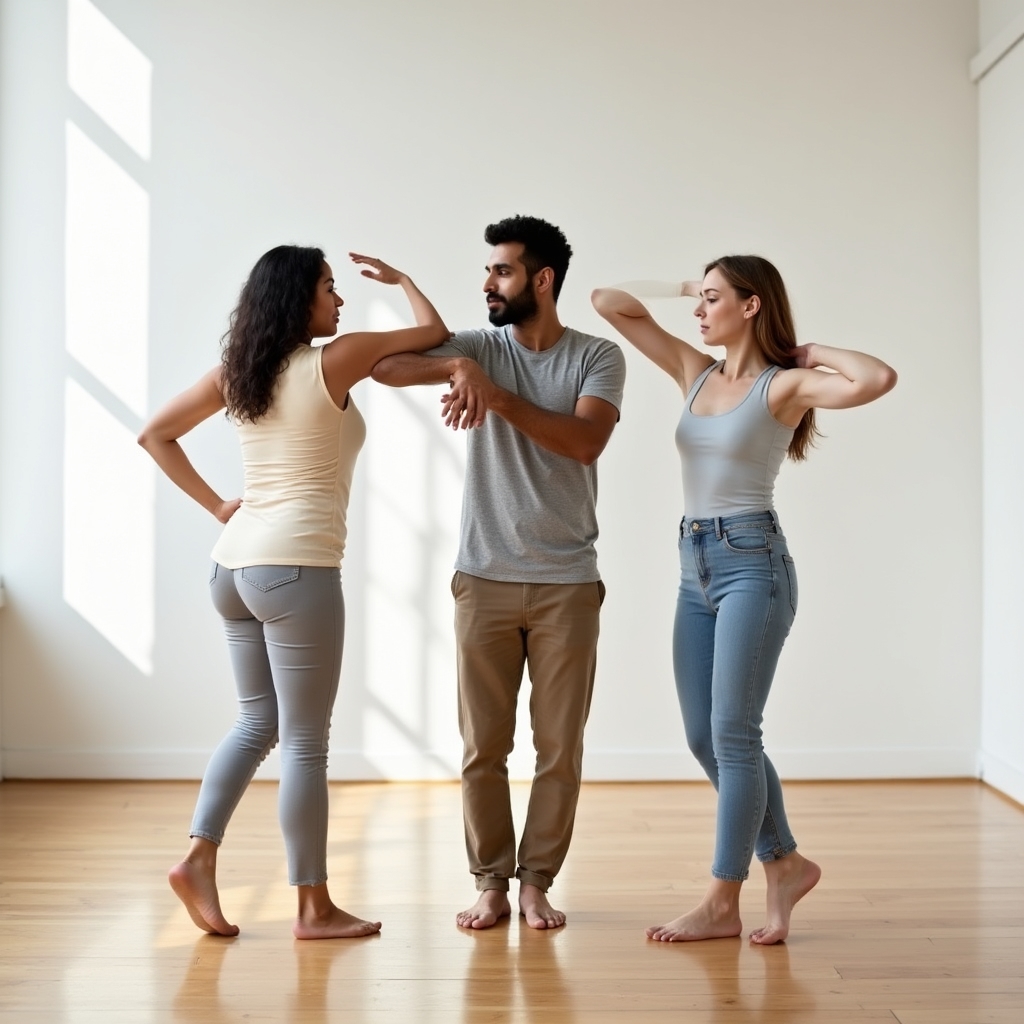
Small group of professionals exploring movement education concepts in a modern studio

What guides this work

Observation first

Sustainable change begins with honest observation. Not judgment, not comparison to an ideal, but genuine attention to what is actually happening in the body right now.

Principle over prescription

Rather than providing rules to follow, we explore underlying principles that help people make sense of their own experience. Understanding lasts longer than instruction.

The whole person

Posture and movement are not purely mechanical. Habit, attention, stress, and environment all shape how we hold ourselves. The program reflects this complexity.

Gentle consistency

Small, frequent explorations generally create more lasting change than intensive occasional efforts. The program is designed to be integrated into daily life, not added on top of it.

Who created Fefoho

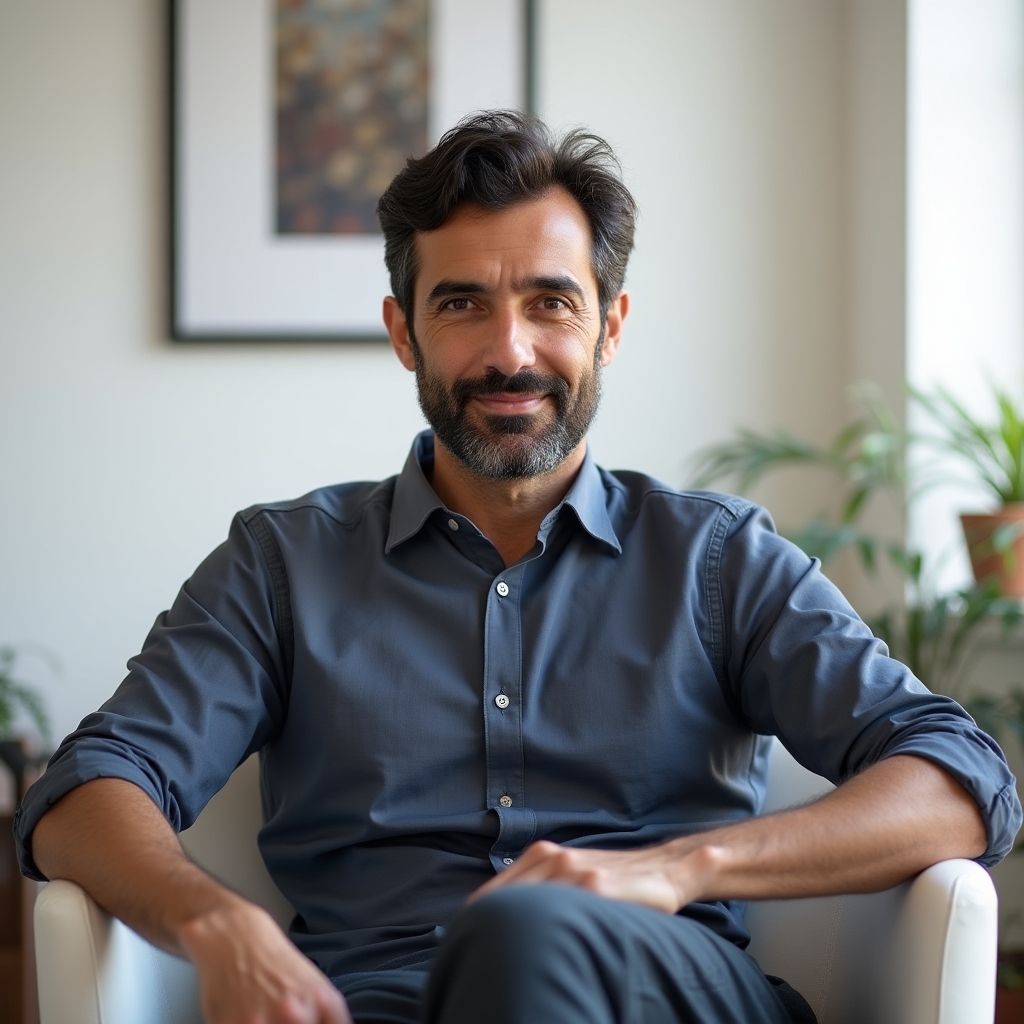
Movement educator Dana Morrel in a bright studio

Dana Morrel

Lead Movement Educator

Dana has spent over a decade working with individuals in somatic movement education. Her approach centers on building genuine body literacy rather than imposing corrective frameworks. She developed the core observational methodology that structures the Fefoho curriculum.

Biomechanics educator Theo Kaspar

Theo Kaspar

Biomechanics Educator

Theo brings an applied movement science background to the program. He is responsible for the biomechanics content, ensuring accuracy while keeping explanations grounded and practical. His ability to translate technical concepts into accessible language shapes the program's educational tone.

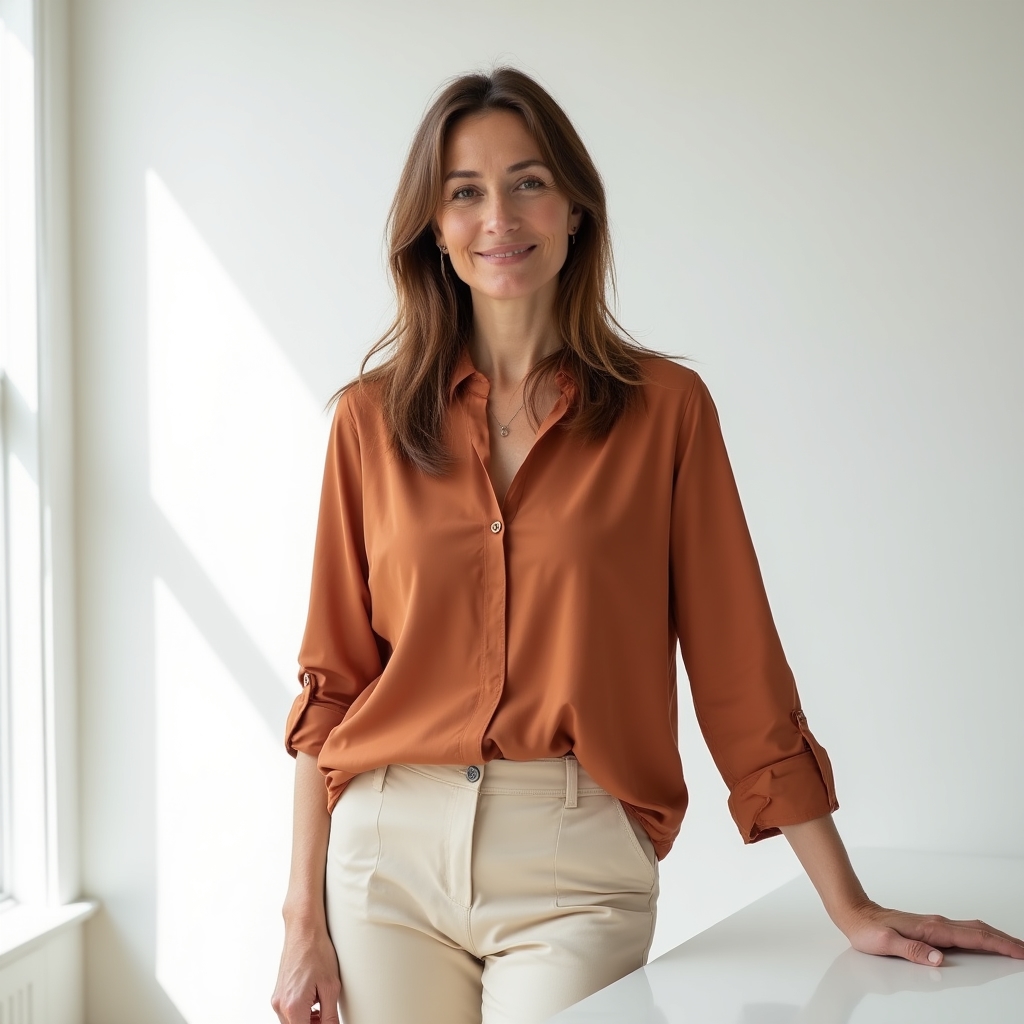
Curriculum designer Sela Vance at a workstation

Sela Vance

Curriculum Designer

Sela brings expertise in adult learning design to the team. She structures each module to build on the previous, ensuring the program creates genuine understanding rather than just delivering information. Her work makes the course feel coherent and cumulative.